The essential basics of auto mechanics for everyone
The automobile mechanics remains a fascinating field as much as it is essential on a daily basis. Whether we seek to understand how its automobile engine or want to dive into thecar maintenance, getting started with this world can offer many advantages. Everyone, enthusiast or occasional driver, benefits from knowing better the great families of vehicle systems. It is also a sector that attracts those wishing to become auto mechanic thanks to specific training. Let yourself be guided through the foundations of this essential discipline.
What are the main principles of automobile mechanics?
Behind each movement, the auto mechanics orchestrates dozens of interdependent subsystems. At the center of this technical ballet, we find the automobile engine, the true heart of the vehicle. This converts energy, usually from fuel, into movement in order to drive the wheels. Likewise, the transmission, steering, brakes and suspension each play their role in driving comfortably and safely.
Much more than a simple question of technical knowledge, understanding these principles facilitates fault diagnosis in case of suspicious noise or bad reaction. This also gives better keys to discussing calmly with a professional during a car repair, in order to avoid any misunderstanding or excessive billing.
Why is car maintenance so important?
Adopt solid habitscar maintenance helps ensure the longevity and reliability of the vehicle. This regular attention includes preventive maintenance, but also the anticipation of major breakdowns. The objective is to reduce the risk of costly breakage, but also to guarantee its safety and that of passengers.
Multiple elements require recurring vigilance, such as engine oil, filters, brake fluid and even tire checks. Beyond these routine checks, certain simple actions make it possible to preserve the general condition of the automobile engine and different vehicle systems throughout their lives.
- Check the fluid level regularly (engine oil, coolant, windshield washer fluid).
- Monitor tire pressure and wear.
- Inspect the lighting and replace defective bulbs quickly.
- Perform the drain according to the pace recommended by the manufacturer.
- Clean the exterior and interior to limit traces of corrosion and preserve electronic components.
What are the differences between preventive and corrective maintenance?
In the world of automobile mechanics, two concepts often come up when it comes to maintenance: preventive maintenance and the corrective maintenance. Distinguishing them helps you correctly plan the long-term management of your vehicle.
The preventive maintenance brings together all the actions carried out before a breakdown occurs. This could include regularly changing air or oil filters, replacing brake pads early, or checking the cooling system. This type of monitoring significantly reduces the risk of sudden problems.
The corrective maintenance consists of repairing a part or assembly after the failure has occurred. A broken timing belt, inoperative alternator, or unresponsive starter fall into this category. This approach aims to restore optimal operation of the vehicle as quickly as possible.
Effectively combining these two approaches constitutes the best method to preserve the performance of the automobile engine in the long term. Actively monitoring the behavior of the car sometimes allows you to act before the breakdown sets in, making the car repair less complex and less expensive.
How to acquire auto mechanic skills?
Engage in a auto mechanic training opens the door to a wide range of professional opportunities. Simple car maintenance up to the full management of complex repairs, the profession of auto mechanic combines versatility and practical expertise.
Many centers today offer specific courses to master the fault diagnosis, learn the basics of automobile engine or master the subtleties specific to on-board electronic systems. These training courses are aimed both at young people wishing to build a career and at adults motivated by professional retraining.
- Diploma training in a vocational high school or specialized center.
- Practical workshop courses to reinforce what has been achieved in the field.
- Specialized modules on fault diagnosis or new generation automobile repair.
- Evening classes to deepen certain concepts, such as modern electrical systems.
What tools and qualities to excel as an auto mechanic?
The talent of a good auto mechanic relies as much on its manual know-how as on its ability to diagnose complex problems. In a world where vehicle systems are constantly evolving, remaining curious and persevering proves decisive.
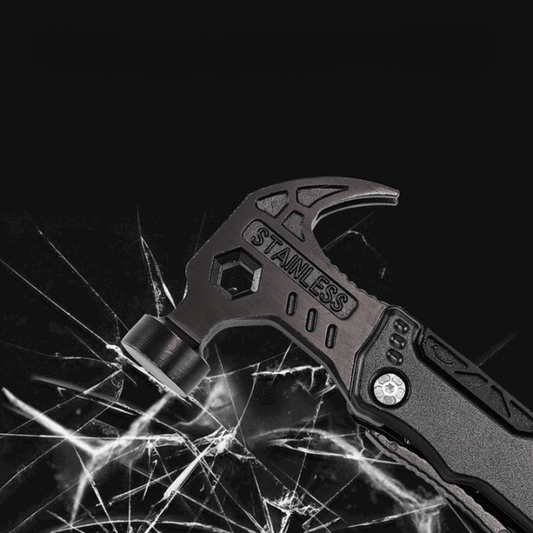
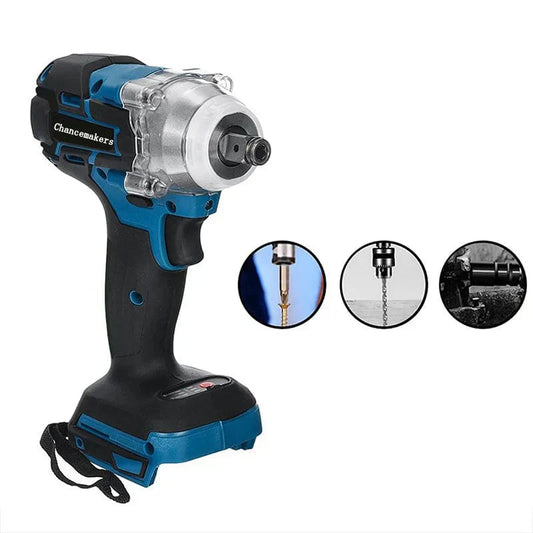
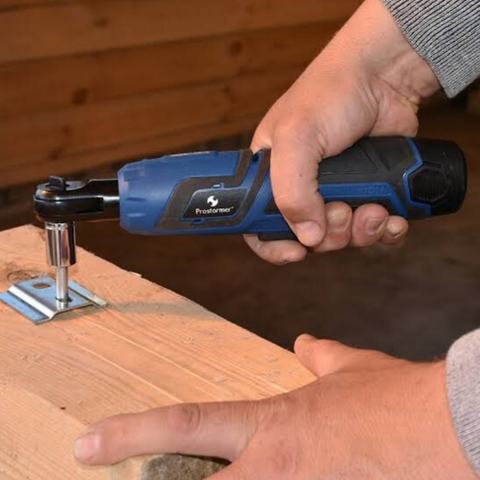
A well-stocked tool kit also makes all the difference: torque wrench, diagnostic case, battery tester, lift, etc. Without forgetting a solid dose of rigor, because the slightest negligence can have a direct impact on road safety. Finally, knowing how to communicate clearly with the customer remains essential.
Is technological development changing automobile mechanics?
Formerly limited to pure automobile mechanics, the car repair today is frequently a matter of applied informatics. The fault diagnosis now uses digital readers to quickly access fault codes provided by the vehicle.
Even the operations ofcar maintenance integrate electronic aspects, from the calibration of sensors to the configuration of new multimedia equipment. This change reinforces the need to follow a auto mechanic training regularly updated, to support the constant progress of the industry.
Discover our equipment and tools dedicated to automobile mechanics
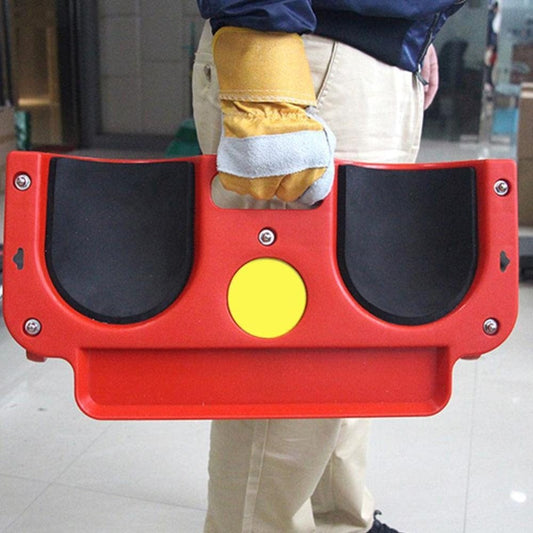
To facilitate the daily maintenance, diagnosis and repairs of your vehicle, also discover our complete selection of tools and accessories dedicated to auto mechanics: